Quest
A soft skill learning board game system for children — combining physical play, a companion robot, and a mobile app to teach empathy, patience, and communication.
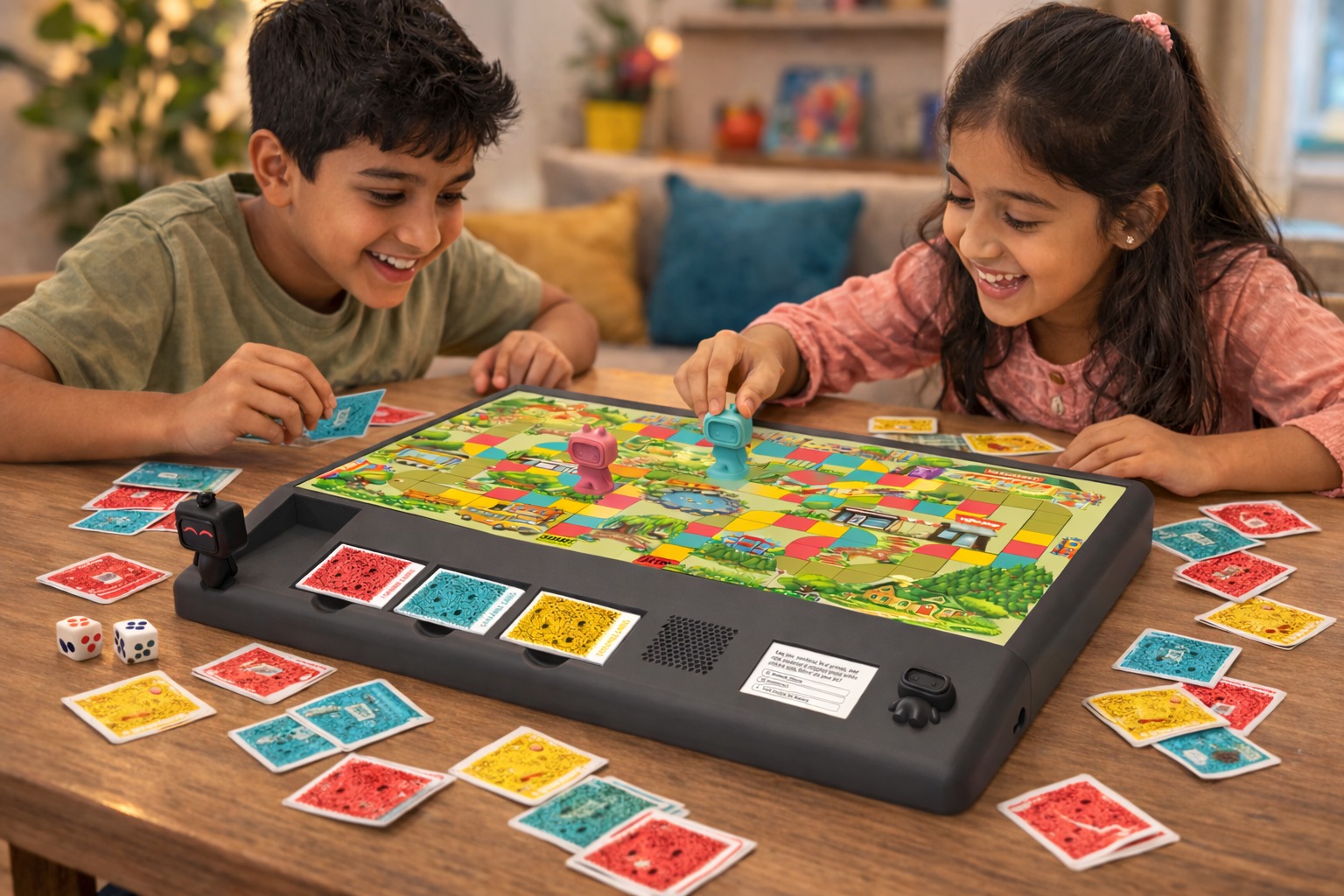
An interactive learning system designed to help children develop essential soft skills through play — combining a physical board game, a companion robot, and a supporting mobile application.
Quest transforms everyday situations into engaging learning experiences where children explore choices, understand consequences, and practice positive social behaviours in a safe, collaborative environment.
Project Vision
Quest transforms everyday situations into engaging learning experiences where children can explore choices, understand consequences, and practice positive social behaviours. By combining physical play with digital feedback, it creates meaningful parent-child interaction while making learning enjoyable and relatable.
Project Context
A significant portion of a child's learning happens outside the classroom, especially at home. While parents play an important role, they often lack structured tools to teach behavioural and emotional skills effectively. Quest bridges the gap between formal education and home learning.
Design Brief
Design an interactive learning system that enables children to develop essential soft skills through playful, real-world situations.
Encourage meaningful parent-child interaction.
Transform everyday experiences into engaging gameplay.
Support behavioural learning through guided decision-making.
Provide immediate and understandable feedback.
Make learning collaborative, enjoyable, and relevant.
Soft Skills Targeted
Seven essential skills for life
Communication
Learning how to express thoughts, needs, and feelings effectively.
Patience
Understanding the importance of waiting and self-control.
Emotional Regulation
Recognising and managing emotions appropriately.
Impulse Control
Thinking before acting and making thoughtful decisions.
Turn Taking
Learning fairness, cooperation, and social participation.
Empathy
Understanding and respecting the feelings of others.
Responsibility
Taking ownership of actions and decisions.
System Components
Three connected pieces, one ecosystem
Interactive Board Game
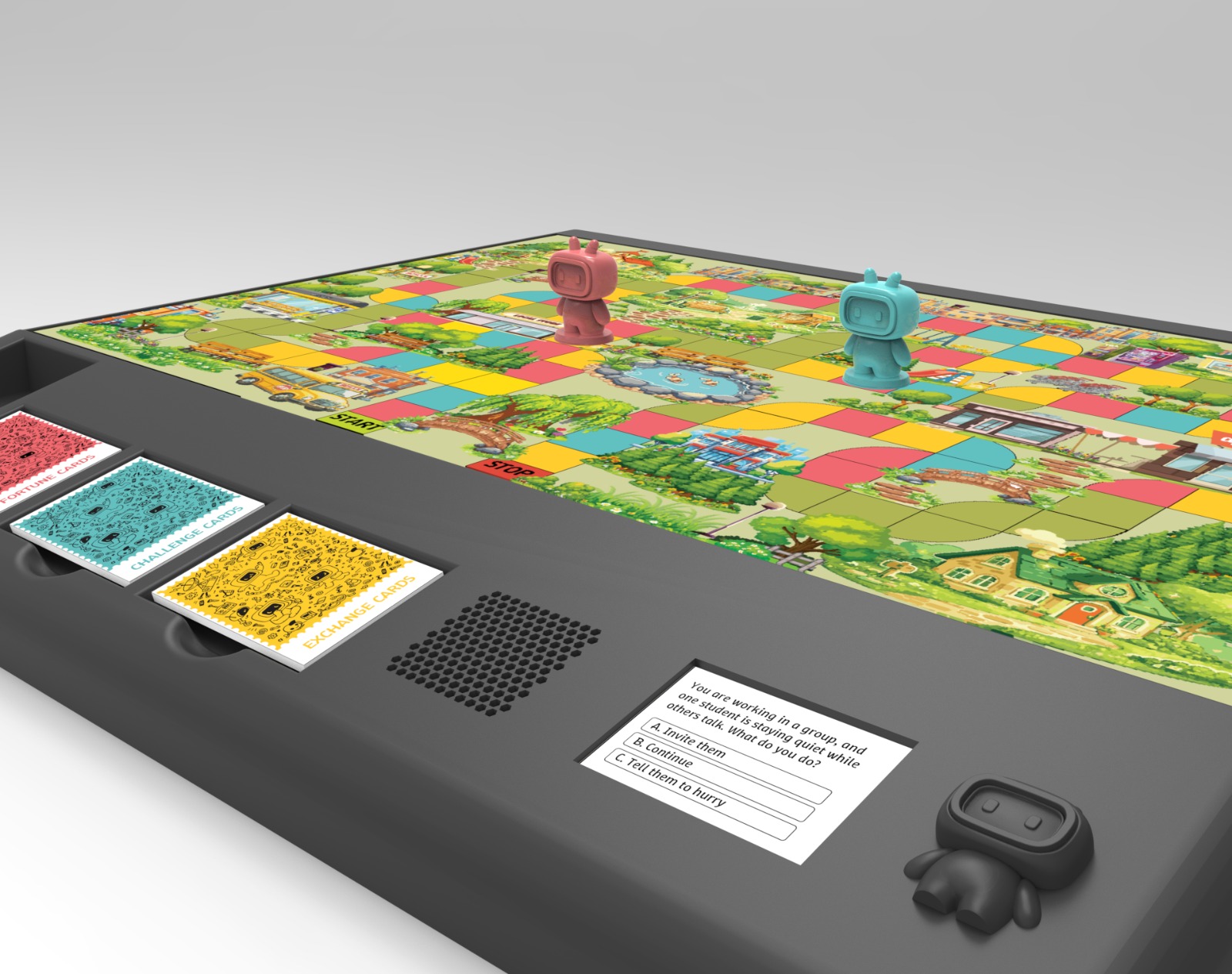
The primary physical interface where players explore a world filled with familiar environments and social situations. The board encourages movement, exploration, and interaction between players.
Companion Robot
A learning companion that narrates situations, responds to decisions, displays emotions, provides verbal feedback, and encourages reflection. It serves as an emotional mirror.
Mobile Application
Supports gameplay by managing scenarios, adjusting difficulty levels, tracking progress, selecting themes, and customising emotional and behavioural goals.
Gameplay Flow
How a turn unfolds
Roll and Move
The player rolls the dice and moves across the board.
Discover a Situation
When landing on a situation tile, a real-life scenario appears — sharing toys, waiting in line, helping someone, following instructions, handling disappointment.
Make a Choice
The player selects how they would respond to the situation. Multiple response options are presented.
Hear the Outcome
The system narrates the consequence of the selected choice, explaining how the decision affects the situation and the people involved.
Robot Reacts
The companion robot immediately responds emotionally. Its facial expression, body language, and voice reflect the outcome — happy and proud for positive choices, concerned or reflective for negative ones.
Continue the Journey
The player continues exploring the board and encounters new situations throughout the game.
Game Rules
Starting Locations
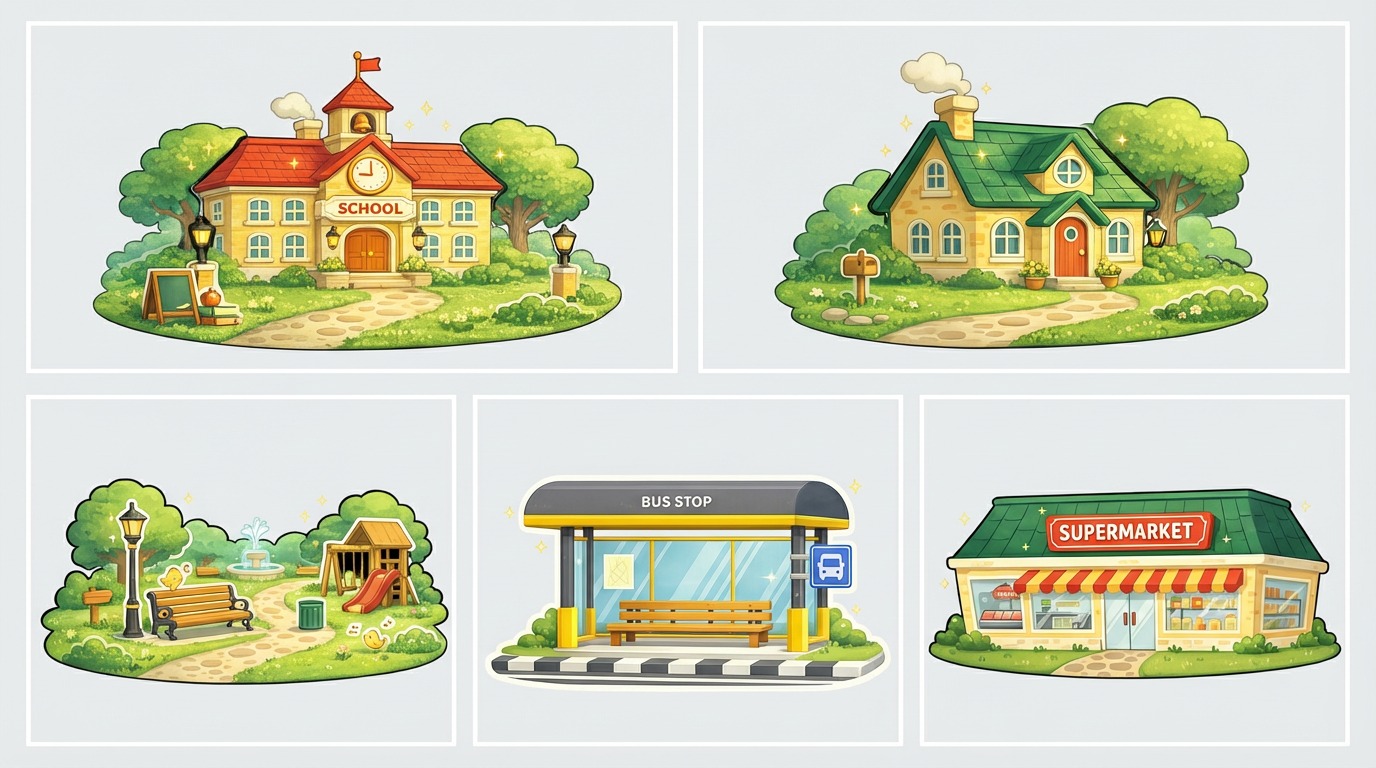
Players can begin from either School or Bus Stop.
Exploration Requirement
Before finishing, players must visit at least three different zones and experience situations within them.
End Locations
The game concludes when a player reaches Home or Supermarket, providing an opportunity to reflect.
Game World
Familiar environments, real lessons
School
Learning, cooperation, and classroom situations.
Home
Family interactions and daily responsibilities.
Playground
Friendships, sharing, teamwork, and conflict resolution.
Bus Stop
Patience, safety, and public behaviour.
Supermarket
Decision-making, responsibility, and social awareness.
The board contains connected movement paths, multiple routes, coloured action tiles, interactive scenario locations, and recognisable landmarks.
Companion Robot Design
A friend, not a teacher
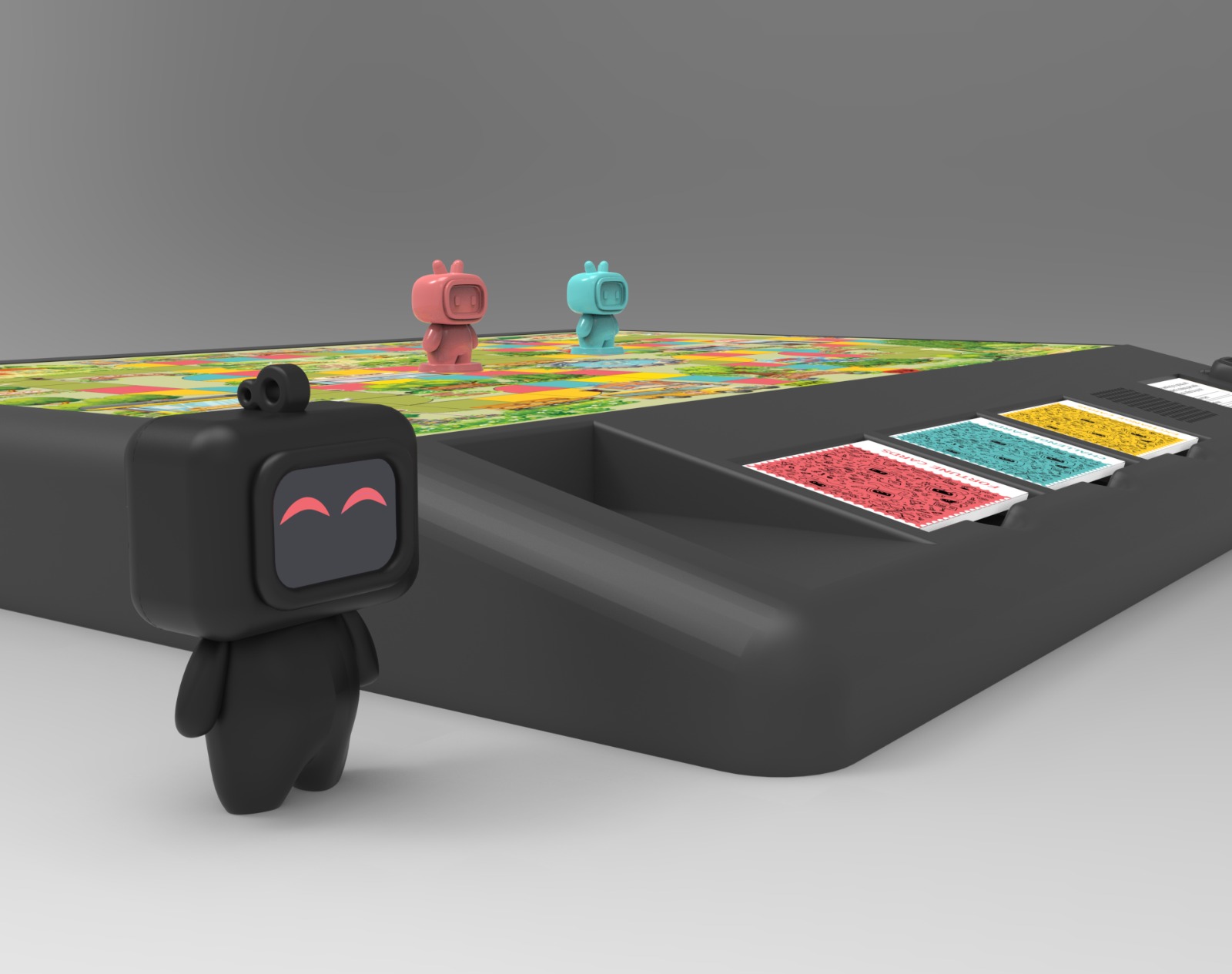
The robot is intentionally designed to feel friendly, approachable, and playful rather than technological.
- Soft and rounded form
- Expressive digital face
- Simple body language
- Child-friendly appearance
- Clear emotional expressions
Its purpose is not to teach directly, but to guide, react, and support learning through emotional feedback.
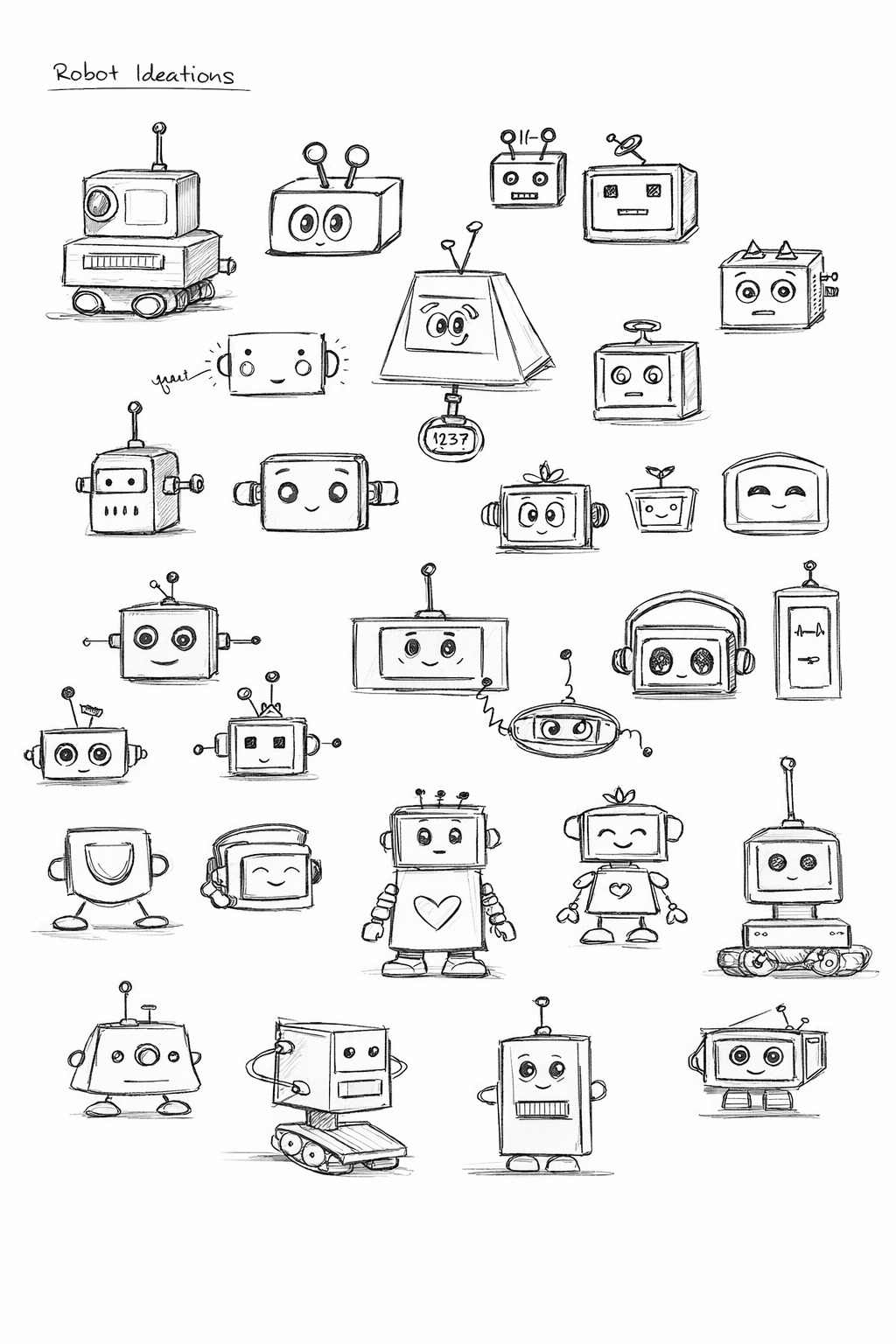
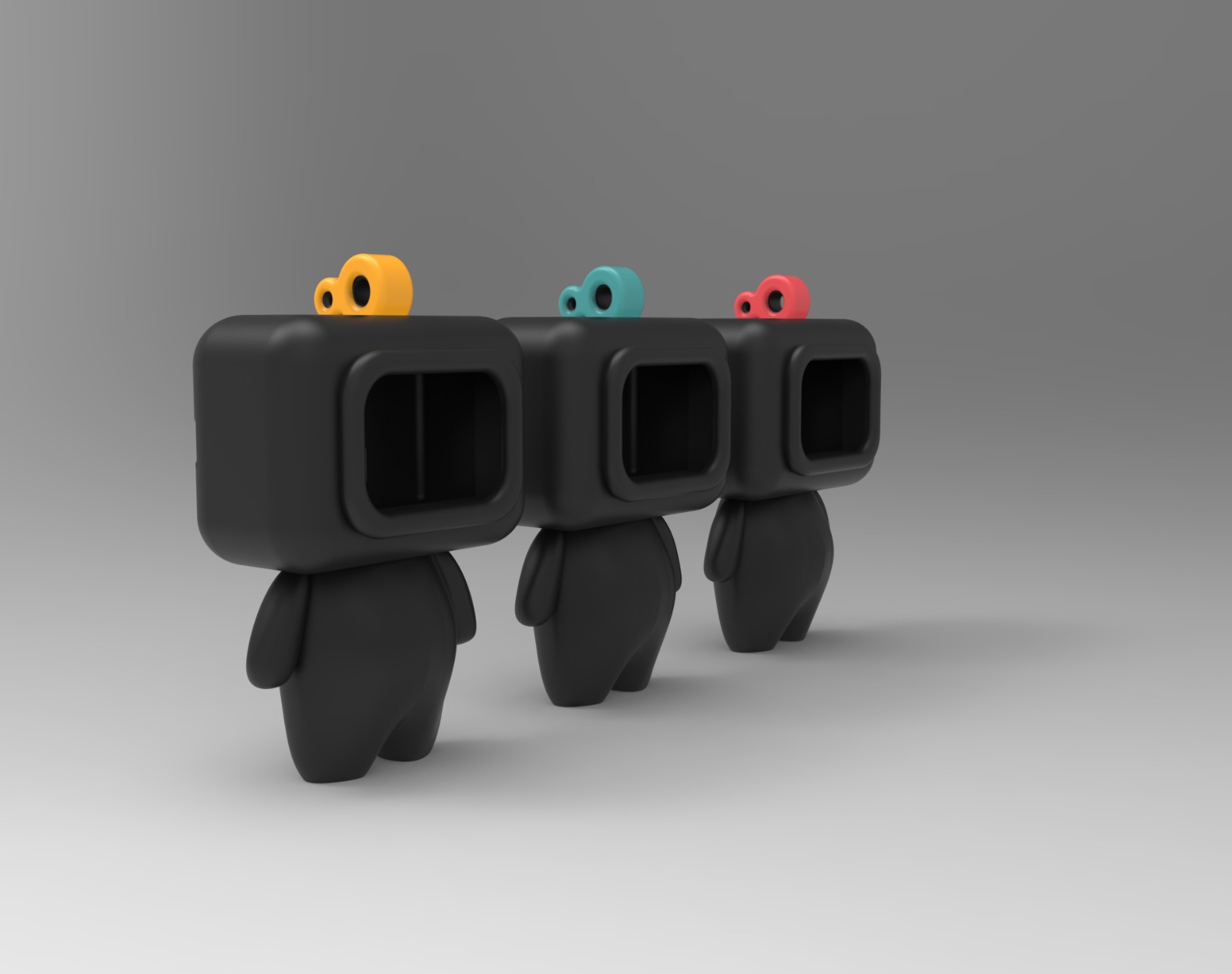
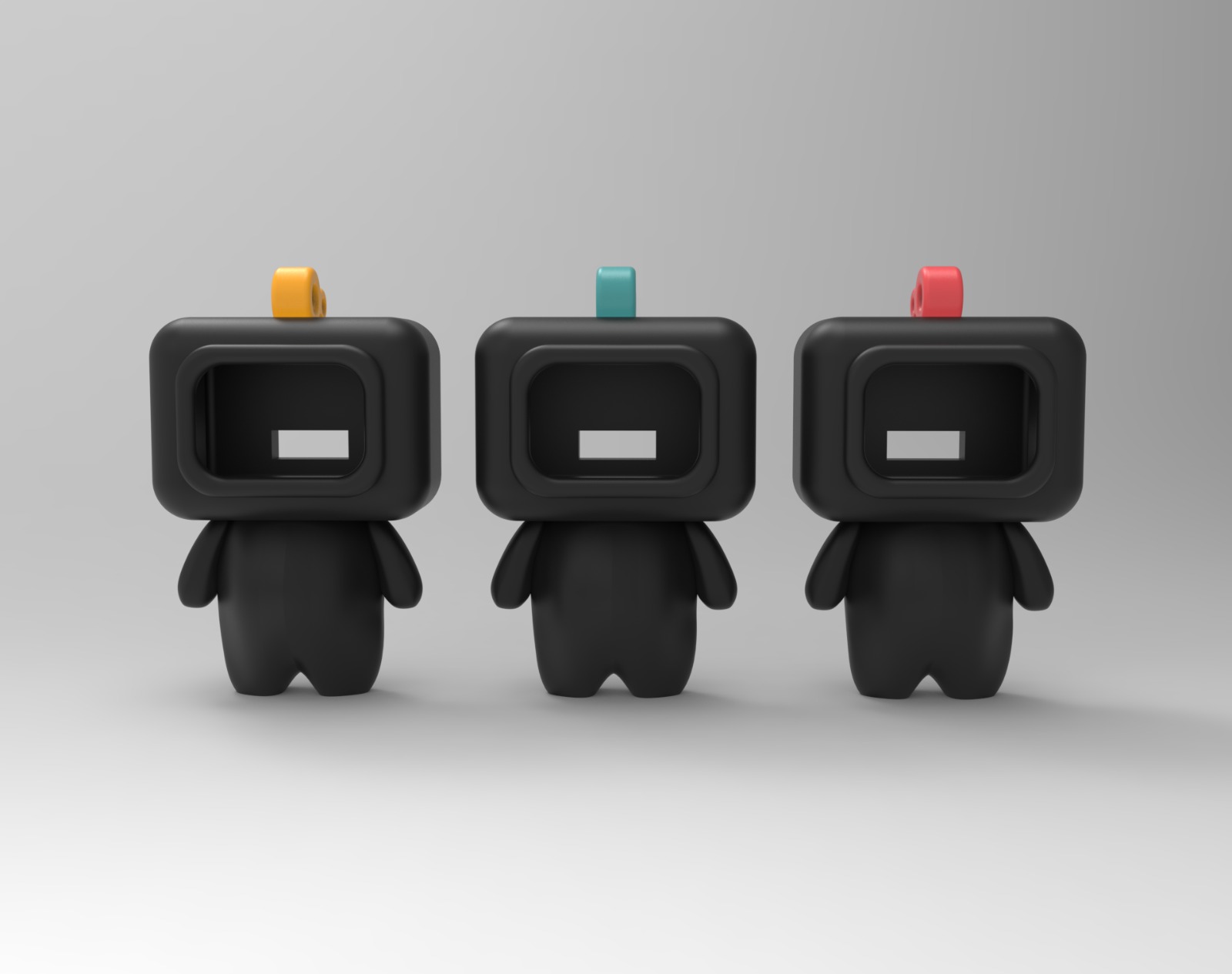
From dozens of sketched character directions to a final form language — soft, rounded, expressive, and unmistakably a friend.
Card System
Dynamic experiences through chance
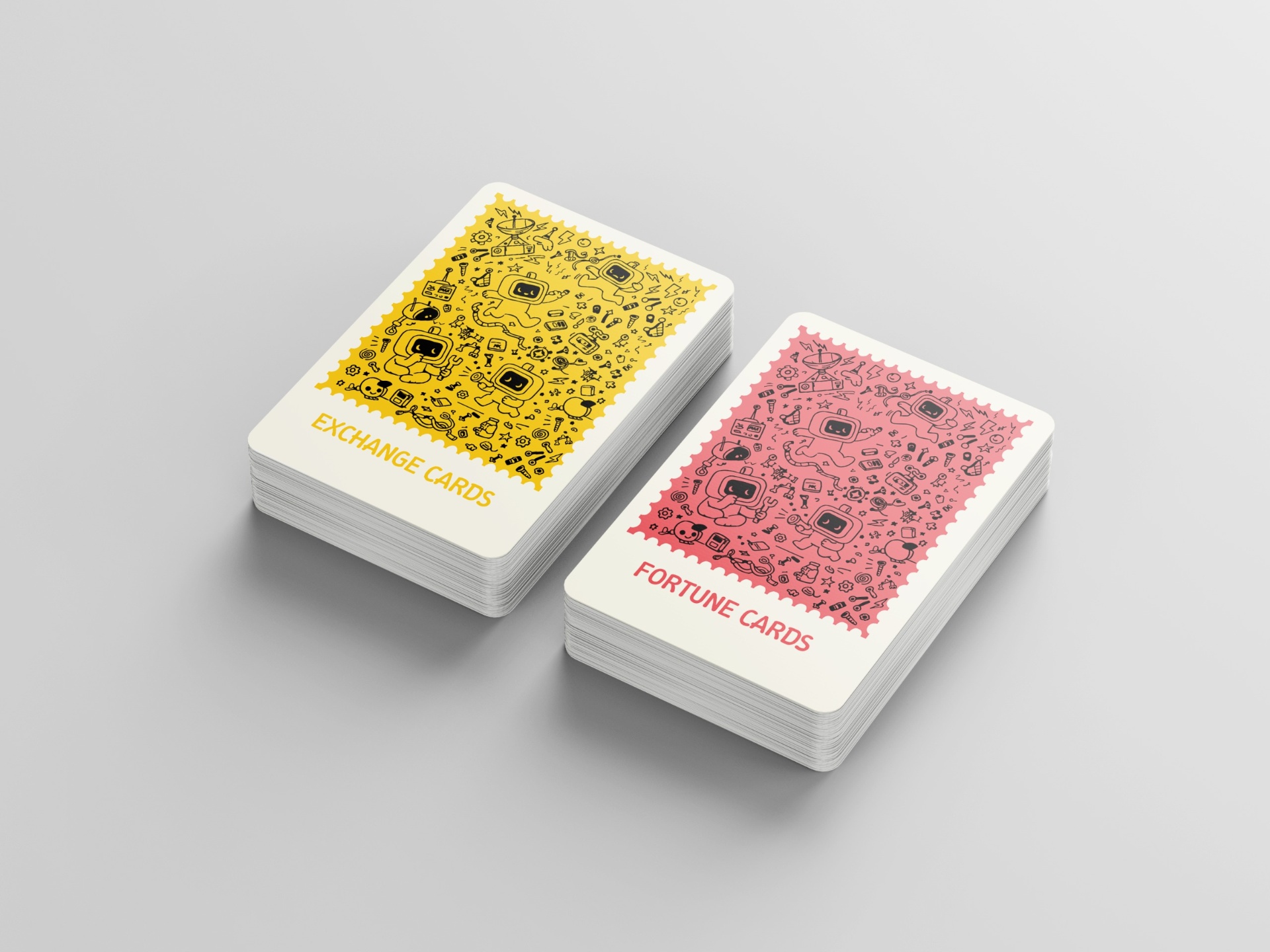
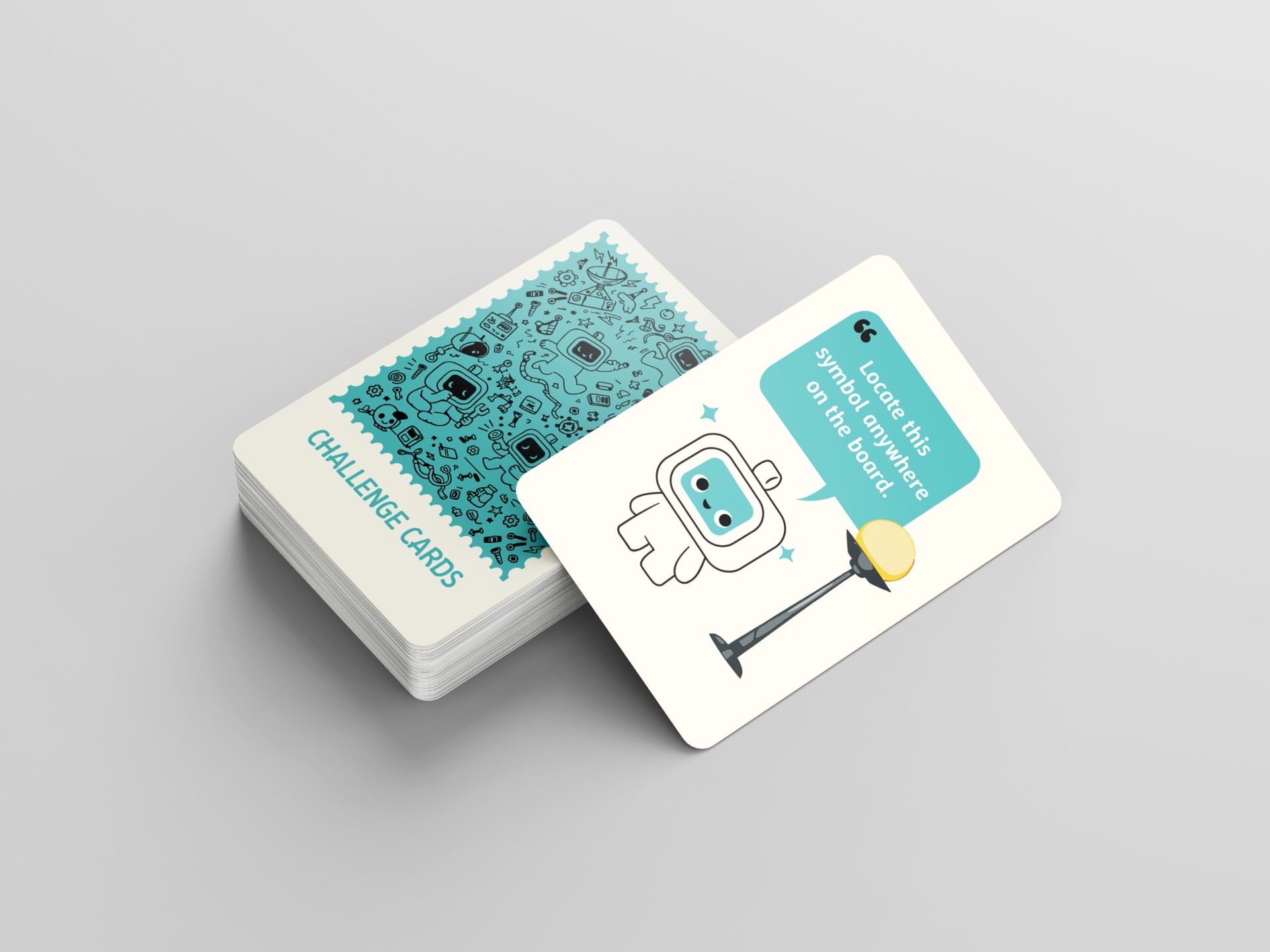
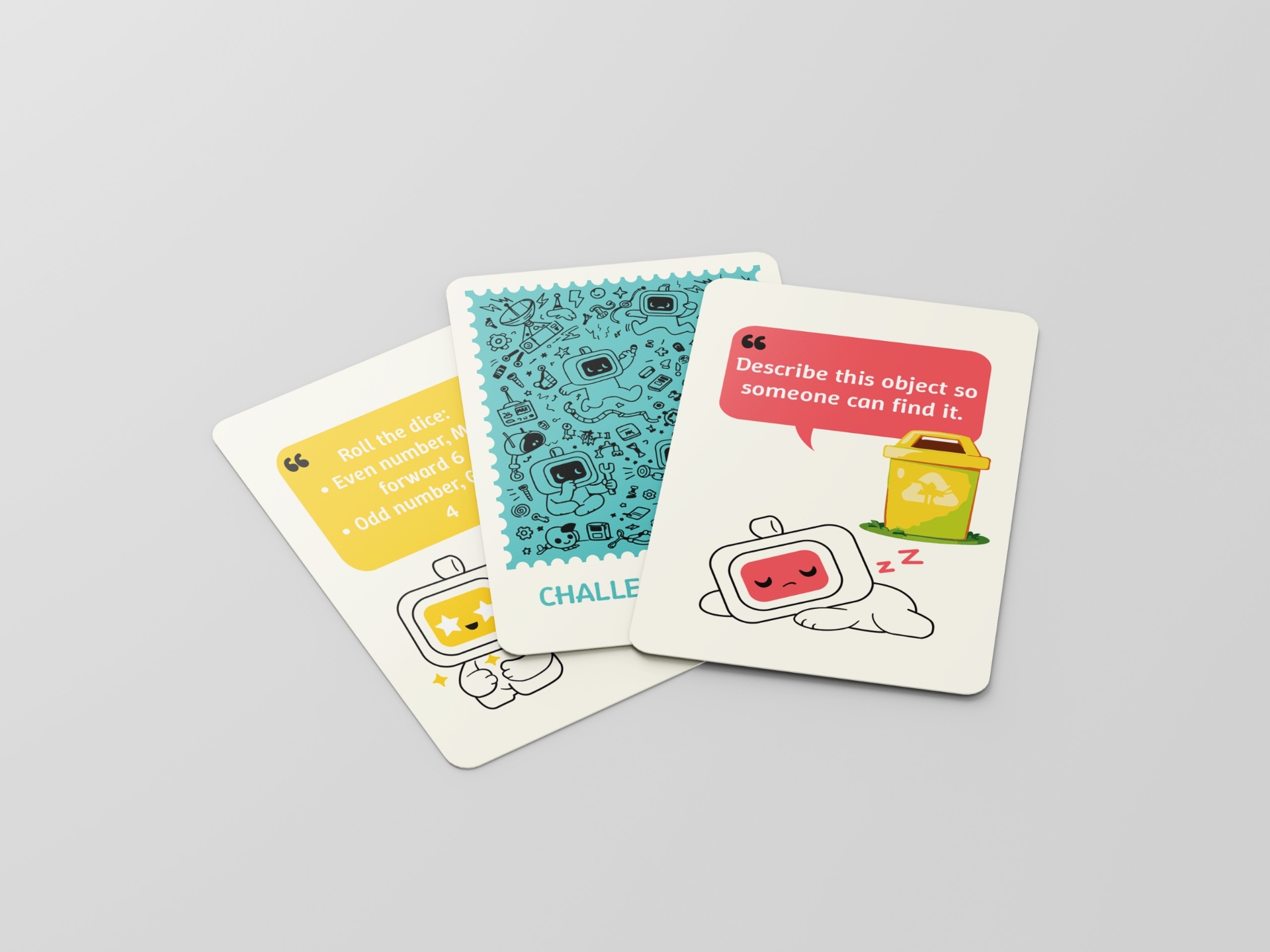
Challenge Cards
Introduce tasks, mini-activities, or behavioural challenges.
Fortune Cards
Introduce unexpected events that influence gameplay.
Surprise Cards
Provide random interactions, rewards, or unexpected situations.
These cards create dynamic experiences and encourage repeated play, ensuring no two sessions feel exactly the same.
Mobile Application Features
Customise every session
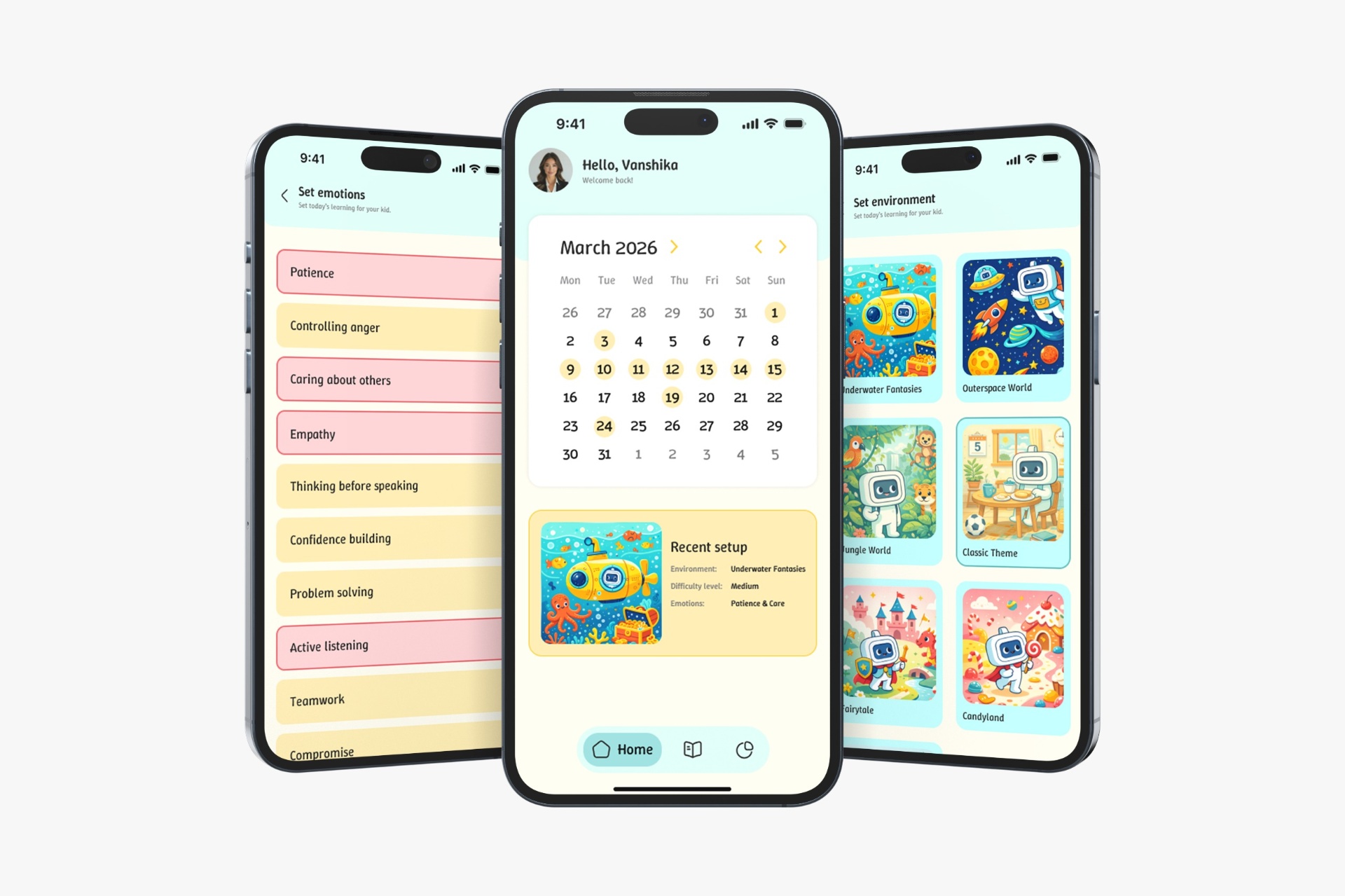
Difficulty Selection
Parents can adjust complexity according to the child's age and understanding.
Theme Selection
Players can experience different themed environments such as:
- Classic World
- Underwater World
- Outer Space
Learning Focus
Parents can choose specific behavioural goals for a session. The game then prioritises situations related to those skills.
- Communication
- Patience
- Empathy
- Emotional Regulation
- Responsibility
Project Preview
See Quest in action
Learning Approach
Experiential learning
Rather than telling children what is right or wrong, Quest encourages them to understand how choices affect themselves and others. Children learn by experiencing situations, making decisions, observing consequences, receiving emotional feedback, and reflecting on outcomes.
Final Experience
A learning experience that extends beyond academics
Quest transforms behavioural learning into an engaging family activity. Through physical play, guided scenarios, emotional feedback from the companion robot, and meaningful conversations, children develop important life skills in a safe, interactive, and enjoyable environment.
The result is socially aware, emotionally intelligent, and responsible individuals — equipped not just for school, but for life.